

Looking for On-Demand Tech Support?
Techmate has the boots-on-the-ground IT Support where and when you need it.
Schedule a Discovery Call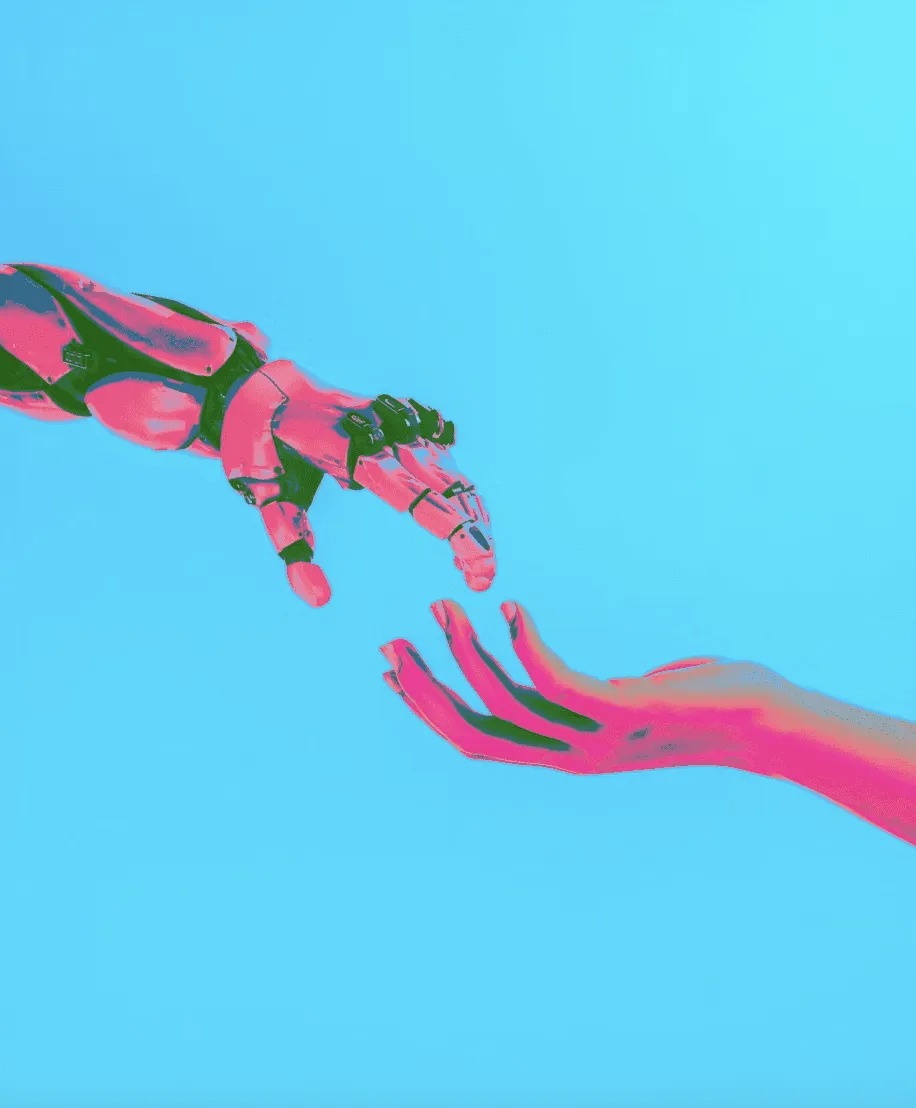
Over the last decade, IT operations have undergone a quiet revolution.
Teams that once managed a few office networks are now responsible for hundreds of endpoints across multiple regions, cloud platforms, and hybrid workplaces. As organizations scale and distribute their operations, the traditional IT model, centralized teams handling every issue manually, no longer works.
Enter AI and automation. These technologies are reshaping the way distributed IT environments are supported, helping teams work smarter, respond faster, and maintain reliability at scale. But the goal isn’t to replace people. It’s to empower them.
AI is quickly becoming the backbone of modern IT service delivery. Intelligent monitoring tools now track network health, endpoint performance, and user experience in real time. When an issue arises, automated systems can identify the root cause, run diagnostics, and sometimes resolve the problem without human intervention.
For distributed teams, this means fewer disruptions and less time spent on repetitive fixes. Tasks such as software updates, device provisioning, and routine patching can be handled automatically, freeing up IT staff to focus on higher-value work such as system design, security, and strategy.
In the next few years, AI will move beyond ticket automation to deliver predictive insights. Systems will not only detect an issue but anticipate it, analyzing usage patterns and performance data to prevent downtime before it happens. For enterprises with dozens or hundreds of locations, this shift from reactive to proactive support is transformative.
Distributed IT success depends on consistency. Every office, warehouse, or retail site should operate with the same level of uptime, security, and performance. Automation makes that possible.
By codifying routine processes such as network configurations, access management, and device onboarding, organizations can deploy standardized workflows across every location. This ensures that each endpoint, no matter where it sits, is set up, maintained, and secured in the same way.
For IT leaders, automation also creates visibility. Centralized dashboards provide real-time reporting across distributed networks, making it easier to track service levels, asset health, and response times. When paired with on-site support networks like Techmate, these systems give organizations a complete picture of their IT ecosystem, both digital and physical, without gaps in coverage.
Despite the excitement surrounding AI, the future of IT is not a story about machines replacing humans. It is about collaboration. Automation and AI handle the repetitive and the predictable. People handle the complex, the creative, and the relational.
There will always be tasks that require hands-on expertise such as hardware swaps, network troubleshooting, conference room setups, or equipment refreshes. In a distributed environment, field technicians remain essential for the moments when a physical presence makes the difference. The combination of predictive AI monitoring and on-demand local support creates a hybrid model that blends efficiency with reliability.
This partnership also supports IT teams themselves. As internal departments become leaner, AI and automation help reduce burnout by removing the noise of low-priority tickets that consume time but add little strategic value. Freed from those burdens, IT professionals can refocus on innovation, planning, and leadership.
AI and automation do more than streamline support. They redefine what IT can achieve. Distributed organizations gain the agility to open new locations quickly, adapt to hybrid work, and maintain consistent performance no matter where their teams operate.
The next step is integration. Forward-thinking IT leaders are connecting automated tools with human field support, creating unified service models that combine digital efficiency with local presence. Whether through predictive maintenance alerts or automated dispatching systems, the goal is simple: resolve issues faster and keep operations running smoothly everywhere.
By 2030, IT support will be more distributed, intelligent, and people-centric than ever. The organizations that thrive will not simply react to issues. They will build proactive, hybrid ecosystems that balance automation with human reliability.